
Spring Recipes
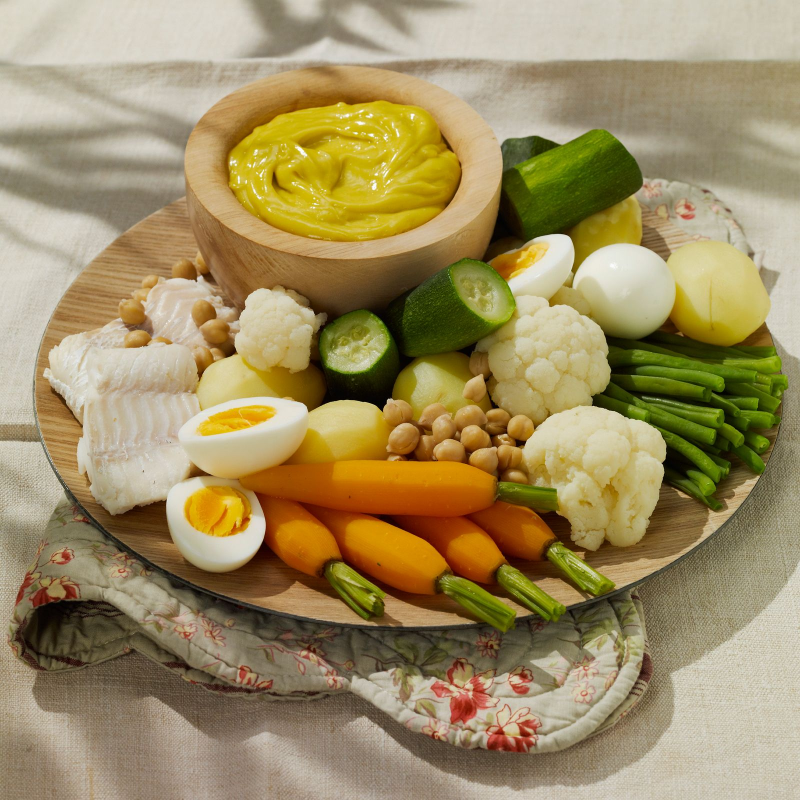
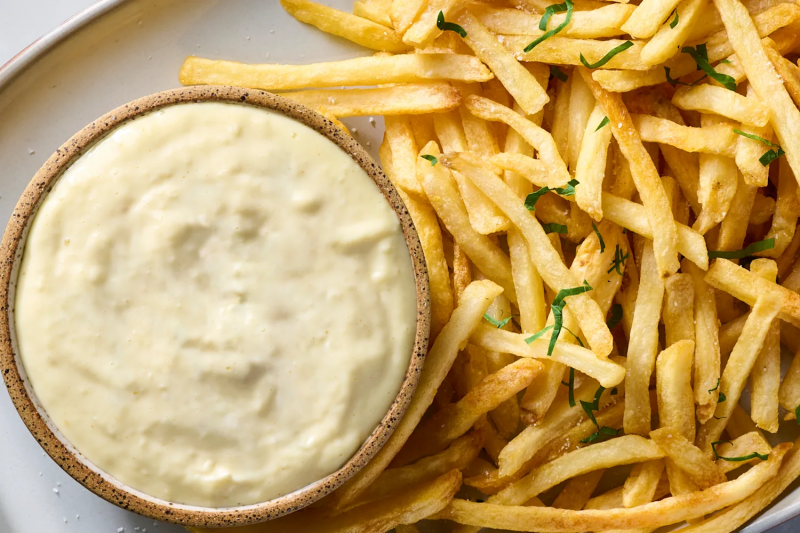
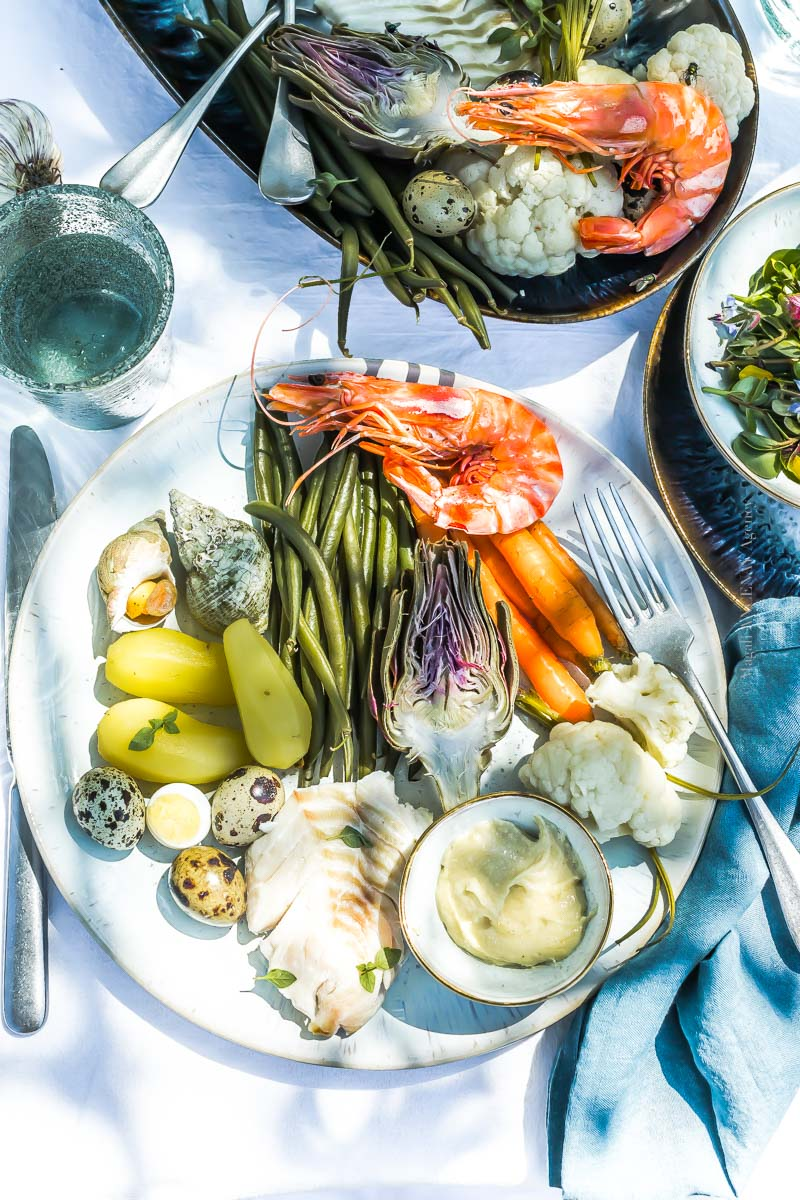
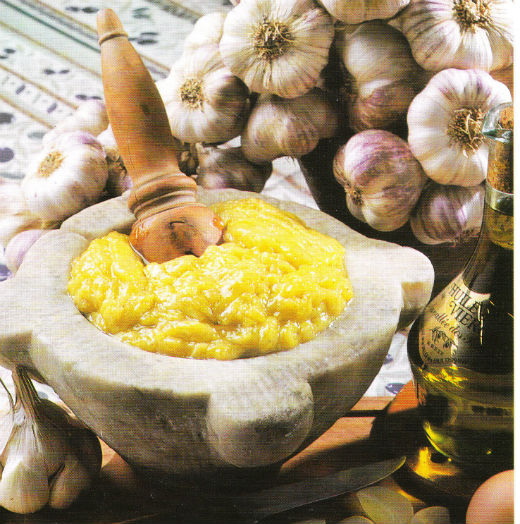
Steve’s Aioli
- 8 cloves of garlic, peeled; (pour boiling water over them and leave to cool a bit, skins will just slide off)
- one tsp sea salt (coarse, Maldon is the best)
- half tsp freshly ground black pepper
- extra virgin olive oil
- 2 egg yolks
- 1-2 tablespoons lemon juice
- 1 tablespoon of good Dijon mustard
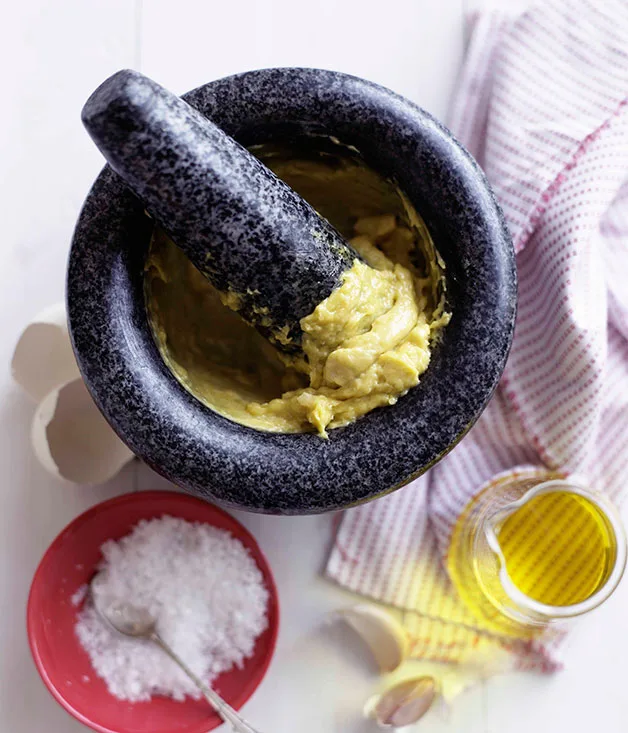
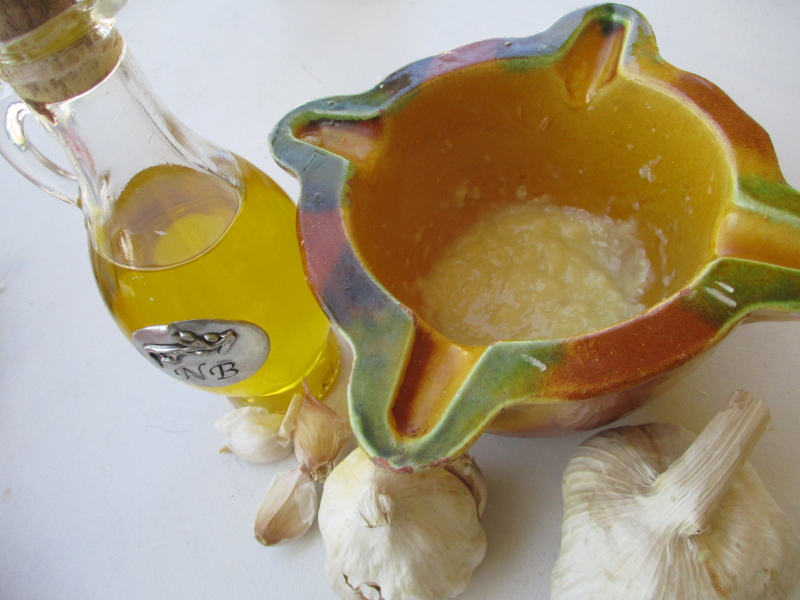
- In a large pestle and mortar, pound together the garlic, salt and pepper until smooth, adding a little olive oil and the Dijon from time to time to moisten the mixture.
Once the mixture has formed a smooth paste, add the egg yolks and pound again until they are completely amalgamated into the garlic mix.
3. Slowly add the remaining olive oil, as if making mayonnaise, until the emulsion is thick and smooth.
4. Beat in the lemon juice to taste and use as desired. You can of course use a food processor, but be extra careful adding the oil, take your time and it will be fab!
Serve with any steamed or raw vegetables. Vegetables fried in tempura batter are great (see flying fish goujon recipe), tortilla chips, parmesan coated chicken strips (see recipe here soon)
Take care it is powerful! You can walk home late at night with absolutely no fear of being attacked by vampires!
‘Courgettes fondantes’
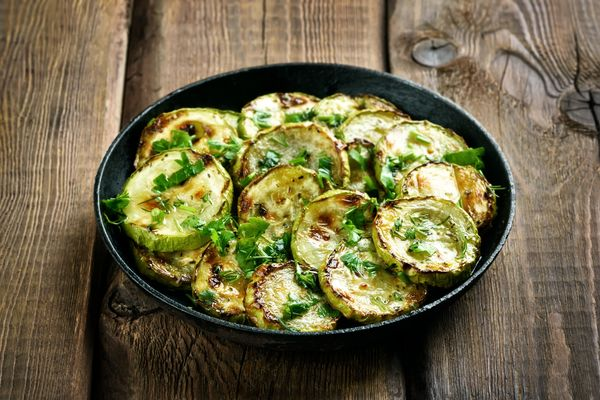
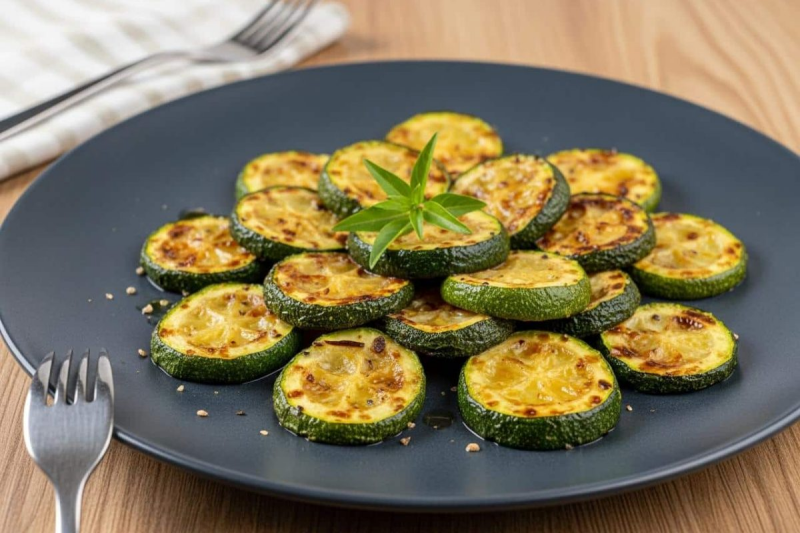
Lightly caramelising courgettes in a cast iron pan adds depth and smokiness.
White wine brightens the courgettes and brings out its sweet character
The cooking technique known as “melting”—as in "fondante potatoes " cabbage, onions, and more—is an impressive way to cook both summer and winter vegetables. Originating from the classic French potato dish “pommes de terre fondantes” the method can be used with a huge variety of different vegetables.
To “melt” a vegetable, first, you sear it on high heat until it is deeply caramelized. Then, you add some liquid to the pan and the vegetable finishes cooking in a shallow simmer. While the searing step develops the flavour of the vegetable, the subsequent braising softens it, giving it a silky, “melting” texture.
Courgette uncooked can be a bit bland, seeing as it is 90 plus percent water. Cooking it in cast iron over high heat brings out all its sweet and earthy goodness. If you don’t have a cast iron pan, you can use a basic stainless-steel pan instead, you just won’t have that same flavour.
Infusing courgettes fondantes with Flavour by adding dry white wine to deglaze the pan. Acidic, it complements the vegetable’s sweetness perfectly. you can use any dry white wine you’d enjoy drinking . If you can’t drink it don’t cook with it life is too short to drink or even cook with shitty wine! When the wine has reduced add stock little by little to allow the drunken courgettes to absorbe more liquid later finish with a little butter or olive oil to form a sort of emulsion sauce.
I like finishing this dish with bright and briny capers. Courgettes and capers are a marriage made in culinary heaven, the point here is to finish the dish with something salty and acidic to punctuate the sweet-savoury courgette. Sometimes I use some pitted kalamata olives instead.... Or both.
Serving Suggestions
As a bed pal with polenta or mashed potatoes. Recently on a bed of tomato risotto....recipe coming soon!